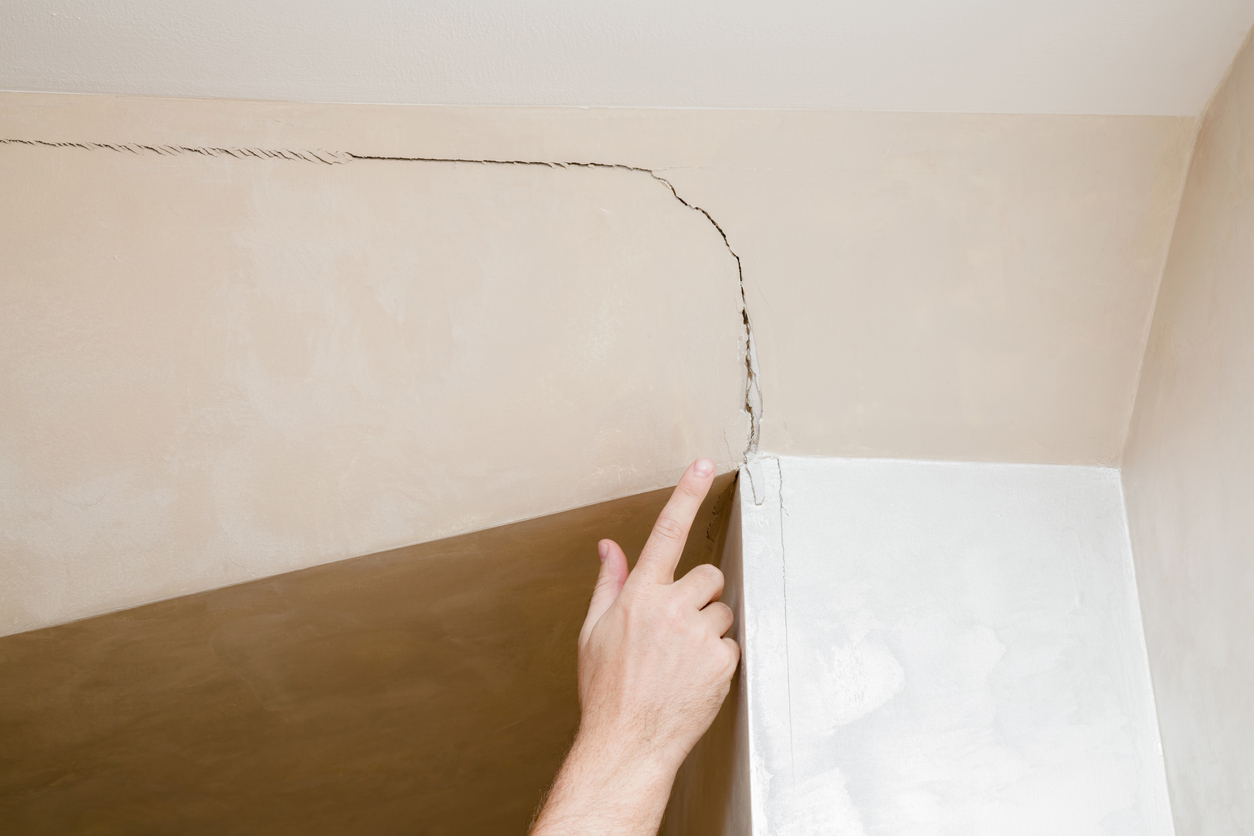
One of the strangest things about basement wall cracks is the timing.
A house can sit there perfectly fine for ten years. Fifteen maybe. Nothing dramatic. Then, suddenly, one random autumn afternoon, you’re carrying laundry downstairs and notice a jagged line running across the wall that definitely wasn’t there before. Or maybe it was and your brain politely ignored it until now because adulthood already comes with enough tiny stress goblins.
That happened to me once in a basement that smelled faintly like old cardboard and cedar chips. The crack wasn’t huge. More like a crooked pencil line wandering across the concrete. I remember staring at it while holding a half-empty laundry basket, thinking, “Well. That seems expensive.”
What confused me most was the delay. Why now? The house wasn’t new. It had survived storms, winters, humid summers, all of it. Turns out, basement walls often crack years after construction because the real causes build slowly underground long before anything becomes visible. Soil changes. Water pressure accumulates. Drainage gets lazy. Tiny weaknesses compound over time.
Eventually, the house starts showing receipts.
That’s usually when homeowners end up reading about Acculevel and realising that foundations behave less like frozen concrete statues and more like giant, stressed-out systems that react constantly to the environment.
Which honestly feels rude considering how much houses cost.
Houses Keep Moving Long After Construction Ends
This surprises people all the time.
Most homeowners assume that settling finishes a couple of years after a house is built. Like the structure, clocks out from movement forever once the drywall dries and the landscaping goes in.
Not even close.
Homes continue responding to environmental conditions for decades. Soil beneath the foundation shifts gradually with changing moisture levels, freeze-thaw cycles and drainage patterns. Tiny movements accumulate year after year until stress finally concentrates in one area enough to crack the wall.
The crack itself often appears suddenly.
The pressure behind it took years to develop.
Soil Is Basically a Giant Mood Ring
Especially clay-heavy soil.
When saturated with rainwater, clay expands aggressively and pushes against the basement walls from outside. During dry periods, it contracts, leaving gaps beneath sections of the foundation.
So the house moves slightly.
Then settles differently.
Then adjusts again.
Repeat that process for 15 years, and suddenly your basement wall starts to resemble modern abstract art.
Water Quietly Changes Everything Underground
Honestly, water deserves blame in most foundation conversations.
Not dramatic flooding necessarily either. Repeated moderate moisture causes plenty of damage on its own. Poor drainage around a home keeps the surrounding soil oversaturated for extended periods, increasing hydrostatic pressure against basement walls.
Fancy phrase. Miserable results.
Hydrostatic Pressure Is Relentless
Imagine someone leaning against your shoulder twenty-four hours a day for several years. Eventually, you’d shift sideways just to survive the annoyance.
That’s basically what groundwater does to basement walls.
As soil absorbs moisture after storms, pressure builds underground and constantly pushes inward against the foundation. Concrete can handle a lot, but prolonged stress eventually exposes weak points:
- Hairline cracks
- Bowing walls
- Water seepage
- Joint separation
The wall crack that appeared today may actually be the final stage of pressure buildup that began five rainy seasons ago.
Sneaky stuff.
Gutters Cause More Structural Trouble Than People Realise
Nobody respects gutters enough. Truly.
People spend thousands on kitchen remodels while ignoring the metal channels that literally control where rainwater goes around the house. Then they’re shocked when cracks in the basement appear years later.
Overflowing Gutters Saturate Soil Fast
When gutters clog, roof runoff spills directly beside the foundation during storms. That repeated saturation changes the consistency of the surrounding soil dramatically over time.
One season? Probably manageable.
Ten seasons? Different conversation entirely.
I once watched a neighbour’s gutter overflow carve a miniature river through his mulch bed every thunderstorm. Looked almost scenic if you ignored the fact that it was pouring directly toward the basement wall the whole time.
Three years later, he had horizontal cracking near the same corner.
Nature leaves clues. We just ignore them because life’s busy, and nobody wants another house project.
Basement Walls Absorb Seasonal Stress Like Sponges
Every season contributes its own flavour of structural nonsense.
Spring:
Heavy rain saturates the ground.
Summer:
Dry heat shrinks soil away from the foundation.
Fall:
Leaves clog drainage systems.
Winter:
Freeze-thaw cycles widen tiny cracks underground.
Foundations experience all of it repeatedly. Year after year.
Freeze-Thaw Damage Builds Slowly
Water enters microscopic foundation cracks. Temperatures drop. Ice expands. The crack widens slightly.
Then spring arrives, and more water enters the enlarged opening. The process repeats over and over until visible cracking finally appears.
Winter is basically nature’s version of a stress test for concrete.
Landscaping Sometimes Works Against the House
This part catches homeowners off guard because the yard usually looks nice, even as it causes problems.
Certain landscaping setups trap moisture around basement walls:
- Thick mulch beds
- Flower beds piled against the siding
- Decorative edging blocking runoff
- Overwatered shrubs
- Patios sloping inward
Everything appears beautiful on the surface, while underground moisture quietly builds pressure around the foundation.
Pinterest rarely warns people about hydrostatic pressure. Big oversight, honestly.
Tree Roots Add Their Own Chaos
Large trees near a home constantly affect soil moisture. During dry weather, roots aggressively draw water from the surrounding soil, altering support conditions beneath portions of the foundation.
Then the rain returns.
The soil expands again.
The house adjusts slightly.
Eventually, stress concentrates at a weak point, causing it to crack.
And because this happens gradually over the years, homeowners rarely connect the dots immediately.
Tiny Cracks Don’t Always Stay Tiny
This is where people get trapped mentally.
A small basement crack doesn’t feel urgent. It’s easy to dismiss. Maybe you patch it with filler from the hardware store and move on with life.
But if the environmental conditions causing stress remain unchanged, the crack often returns.
Wider sometimes.
Cosmetic Repairs Only Go So Far
Patching a recurring basement crack without addressing the underlying pressure is sort of like repainting over water stains while the roof still leaks.
The symptom improves temporarily.
The problem continues quietly underneath.
That’s why some cracks keep reappearing no matter how carefully they get repaired.
Basement Moisture Usually Arrives Before Major Structural Symptoms
The smell comes first, surprisingly often.
That damp earthy odour after storms? Pay attention to it.
Before homeowners notice major wall movement, they frequently experience:
- Musty basement air
- Damp cardboard boxes
- Minor seepage
- White mineral residue on walls
- Increased humidity
Water intrusion rarely stays isolated either. Moisture gradually spreads into insulation, framing, and flooring systems.
Houses whisper before they scream.
Finished Basements Hide Problems Beautifully
Which is not actually a compliment.
Finished walls conceal early warning signs incredibly well. Moisture intrusion behind drywall can continue for years before visible symptoms finally appear.
One friend discovered foundation cracking only after his basement laminate flooring started buckling slightly near the wall. Behind the drywall:
- Mold growth
- Damp insulation
- Expanding cracks
- Minor wood rot
The visible crack itself looked harmless.
That’s what makes foundation problems tricky. The obvious symptom is often the least important part.
Soil Erosion Quietly Removes Support
Water doesn’t just create pressure. Sometimes it removes support, too.
Poor drainage and repeated runoff may slowly erode soil beneath portions of the foundation. Once support weakens unevenly, differential settling begins.
That’s when:
- Floors slope
- Doors stick
- Ceiling cracks appear
- Windows shift out of alignment
The wall crack is often just the first thing homeowners notice because concrete advertises stress more visibly than hidden framing systems do.
Some Houses Are More Vulnerable Than Others
Not every basement develops cracking at the same pace.
Homes built on expansive clay soils or properties with poor grading often experience more moisture-related movement over time. Older drainage systems also contribute because water management around the foundation becomes less effective with age.
Meanwhile, two houses on the same street can behave completely differently during heavy rain seasons, depending on:
- Soil composition
- Landscaping
- Drainage setup
- Tree placement
- Foundation depth
Nature loves inconsistency, apparently.
Plumbing Leaks Sometimes Complicate Everything
Foundation movement occasionally stresses underground plumbing lines, too. Tiny leaks form beneath the slab or near the basement walls, adding even more moisture to the surrounding soil.
That creates a frustrating cycle:
- Soil shifts
- Pipes strain
- Water leaks
- Soil destabilises further
- Foundation movement increases
And because symptoms overlap, homeowners often misdiagnose the source completely at first.
Crawl Spaces Experience Similar Problems
Homes with crawl spaces deal with many of the same moisture-related structural stresses.
Excess humidity below the home contributes to:
- Rotting support beams
- Mold growth
- Sagging floors
- Structural shifting
Over time those conditions may transfer stress upward into foundation systems elsewhere throughout the structure.
Homes are interconnected in weird ways people rarely think about until something starts cracking.
Emotional Stress Creeps In Too
Nobody really talks about this part enough.
Once homeowners notice cracks in the basement walls, every tiny sound suddenly feels suspicious. Floor creaks become ominous. A sticking door feels catastrophic. You start side-eyeing drywall corners like they’re plotting something.
At one point, I convinced myself my washing machine vibration meant the basement floor was sinking. Turned out the machine was unbalanced and I’d had too much caffeine.
Still though. Structural uncertainty gets under your skin because homes are supposed to feel stable. Safe. Permanent-ish.
Cracks challenge that feeling quickly.
Prevention Is Deeply Unexciting but Incredibly Effective
Most foundation-saving habits are painfully boring:
- Cleaning gutters
- Extending downspouts
- Monitoring drainage
- Watching soil saturation
- Addressing moisture early
- Checking basement walls seasonally
Nobody throws parties celebrating proper grading around the foundation.
Maybe they should, though. Would save people absurd amounts of money later.
Tiny Outdoor Clues Usually Appear First
Long before major cracking develops, homeowners often notice:
- Pooling water
- Eroded mulch
- Sinking patio corners
- Damp soil near walls
- Overflowing gutters
Those outdoor signs matter because basement wall cracking rarely starts inside the basement itself. The environmental stress almost always begins outside.
Water changes the soil.
The soil changes the pressure.
The pressure changes the foundation.
Simple process. Expensive consequences.
Houses Age Like People Kind of Do
Not dramatically overnight.
Gradually.
Tiny environmental stresses accumulate over the years until eventually something visible appears. Basement wall cracks are often less about sudden failure and more about long-term fatigue from moisture, shifting soil and repeated seasonal stress.
The house has been quietly adapting the entire time.
Then one day, the wall finally leaves evidence.
Final Thoughts Before the Next Heavy Storm
Most basement walls don’t crack years later because construction suddenly “fails.” They crack because environmental conditions gradually reshape the pressure around the foundation.
Rainfall patterns change.
Soil expands and contracts.
Drainage systems clog.
Moisture accumulates underground.
And the house responds to every bit of it.
So if you notice a basement crack appearing in a home that seemed perfectly stable for years, don’t just assume it came out of nowhere. Look beyond the concrete itself. Watch how water moves around the property after storms. Notice drainage patterns. Pay attention to recurring moisture.
Because basement wall cracks usually begin long before the crack itself becomes visible.
About the Author