Introduction & Background
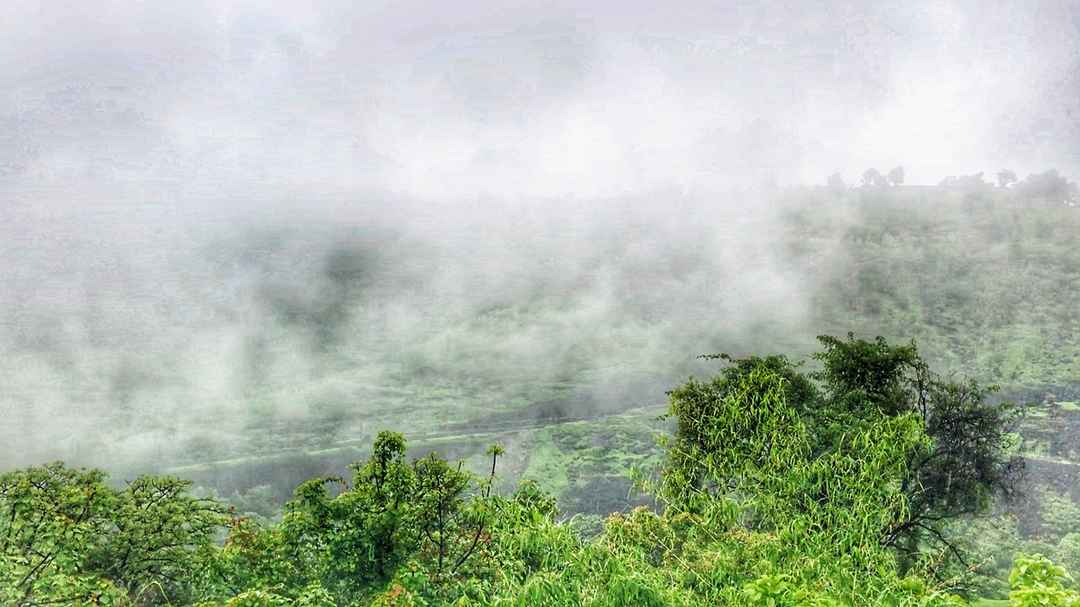
In a world where popular destinations often overshadow the extraordinary, countless hidden gems remain undiscovered by the masses. These locations, whether tucked away in remote corners of the globe or nestled in plain sight, offer experiences that rival the most famous tourist spots. From breathtaking natural wonders to culturally rich villages, these places promise authenticity, tranquility, and unforgettable moments. The significance of exploring these hidden treasures lies not only in the joy of discovery but also in supporting local communities and preserving unique traditions that might otherwise fade into obscurity. By venturing off the beaten path, travelers can create memories that stand the test of time while contributing to sustainable tourism.
Concept & Overview
The idea of hidden gems revolves around identifying and visiting destinations that are not widely known or frequently visited by tourists. These places often lack the commercialization and crowds found in mainstream attractions, allowing visitors to experience a more genuine connection with their surroundings. The key principles behind exploring such destinations include curiosity, flexibility, and a willingness to step outside one’s comfort zone. Whether through word-of-mouth recommendations, local insights, or thorough research, uncovering these treasures requires patience and an open mind. The rewards, however, are immeasurable as travelers gain access to pristine landscapes, untouched cultural heritage, and authentic interactions with locals.
Key Features & Highlights
- Remote Natural Wonders: Secluded beaches, hidden waterfalls, and lesser-known hiking trails that offer unparalleled beauty without the crowds.
- Cultural Enclaves: Villages and towns where traditions have been preserved for generations, providing a glimpse into a way of life that contrasts sharply with modern urban living.
- Historical Secrets: Ancient ruins, forgotten monuments, and archaeological sites that remain largely unexplored due to their remote locations or lack of promotion.
- Unique Local Experiences: Opportunities to participate in traditional crafts, festivals, or culinary practices that are exclusive to these hidden locales.
- Eco-Friendly Havens: Protected natural reserves and wildlife sanctuaries that prioritize conservation and offer eco-conscious travelers a chance to experience nature responsibly.
- Adventure Playgrounds: Off-the-beaten-path destinations that cater to thrill-seekers, from canyoning in untouched gorges to stargazing in areas free from light pollution.
- Hidden Urban Gems: Quiet neighborhoods in bustling cities that boast charming cafes, independent bookstores, and local markets overlooked by tourists.
Frequently Asked Questions / Pros & Cons
What defines a hidden gem?
A hidden gem is typically a destination that is not widely promoted or visited by tourists, often due to its remote location, lack of infrastructure, or simply being overshadowed by more famous attractions nearby. These places are characterized by their authenticity, natural beauty, or cultural richness, and they offer experiences that are difficult to replicate elsewhere.
How can travelers discover hidden gems?
Travelers can uncover hidden gems through a variety of methods, including consulting travel blogs and forums, seeking recommendations from locals, exploring lesser-known travel guides, or using apps that highlight off-the-beaten-path destinations. Networking with fellow travelers and being open to spontaneous detours can also lead to surprising discoveries.
Pros of exploring hidden gems
- Authentic experiences that provide a deeper connection to the local culture and environment.
- Reduced crowds, allowing for a more peaceful and personal exploration of the destination.
- Support for local economies, as tourism dollars often have a greater impact in smaller, less-visited communities.
- Unique opportunities for adventure and discovery that may not be available in popular tourist spots.
Cons of exploring hidden gems
- Limited infrastructure, such as fewer transportation options, accommodations, or dining choices, which may require more planning and flexibility.
- Potential language barriers or cultural differences that could pose challenges for travelers not accustomed to navigating unfamiliar environments.
- Greater risk of encountering unexpected situations, such as unreliable services or limited access to medical facilities, especially in remote areas.
- Possibly higher costs for transportation or guided tours, as these destinations may not benefit from economies of scale.
Practical Guidance & Solutions
To make the most of exploring hidden gems, travelers should begin by conducting thorough research to identify destinations that align with their interests and travel style. Utilizing online resources, such as travel blogs, social media groups, and niche forums, can provide valuable insights and firsthand accounts from those who have visited. Booking accommodations and transportation in advance is advisable, particularly when visiting remote areas with limited options. Engaging with locals through conversations or community events can enhance the experience and offer practical tips for navigating the destination. Packing appropriately for varying conditions, including weather changes and rugged terrain, is essential for safety and comfort. Finally, adopting a flexible mindset and being prepared for unexpected challenges will ensure a smoother and more rewarding journey.
For those seeking a balance between hidden gems and more accessible destinations, consider planning a multi-stop itinerary that includes a mix of both. This approach allows travelers to enjoy the best of both worlds, experiencing the excitement of discovery while still having access to essential amenities. Additionally, supporting local guides or tour operators who specialize in off-the-beaten-path locations can provide a safer and more enriching experience. By sharing discoveries with others, travelers can help shine a light on these hidden gems, inspiring more people to explore and appreciate their unique qualities.
Conclusion
Uncharted horizons await those willing to look beyond the obvious and embrace the allure of the unknown. Hidden gems offer more than just a break from the ordinary, they provide a chance to connect with the world in a meaningful way. Whether it is the serene beauty of a secluded valley, the warmth of a community untouched by mass tourism, or the thrill of an adventure in an unexplored landscape, these destinations promise experiences that resonate deeply. As travelers continue to seek authenticity and purpose in their journeys, the value of these hidden treasures will only grow. So, step off the well-trodden path, keep your senses open, and let the journey unfold. The hidden gems of the world are not just places to visit, they are stories waiting to be lived.
About the Author