Introduction & Background
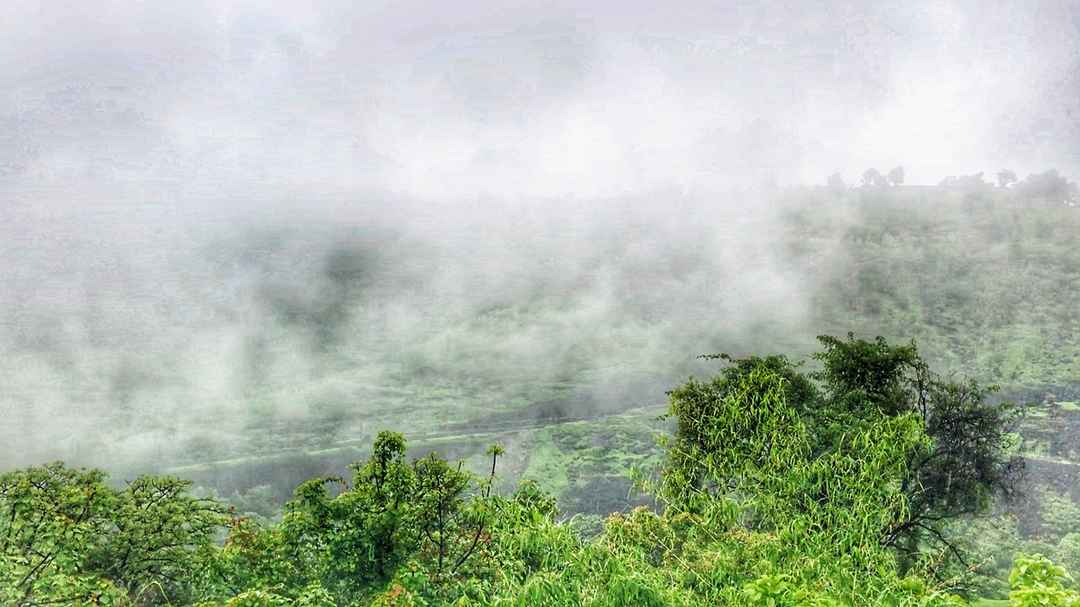
In a world where stress and routine often dominate daily life, the allure of travel as a form of leisure and rejuvenation has never been more powerful. Wanderlust, the deep yearning to explore the unknown, drives millions of people each year to seek out destinations that promise not just adventure, but profound relaxation. Beyond the hustle of crowded cities and the demands of work lies a realm of tranquil escapes designed to nourish the soul. These travel experiences go far beyond mere sightseeing. They offer a chance to disconnect, unwind, and reconnect with oneself and nature. Whether it’s the gentle sound of ocean waves, the whisper of a mountain breeze, or the quiet rustle of a forest canopy, the world’s most relaxing travel leisure escapes provide sanctuary from the chaos of everyday life. Understanding the significance of these destinations helps travelers choose experiences that align with their need for peace and renewal.
Concept & Overview
Wanderlust & Beyond refers to the pursuit of travel experiences that prioritize mental and emotional well-being over excitement or physical challenge. The core idea is simple: to escape the pressures of modern living and immerse oneself in environments that inspire calmness and introspection. This concept is rooted in the growing recognition that leisure travel should not only be enjoyable but also restorative. It involves selecting destinations known for their serene ambiance, natural beauty, and minimal distractions. These places often feature slower rhythms of life, warm hospitality, and settings that encourage mindfulness. From secluded beach retreats to mountain lodges surrounded by pristine wilderness, the focus is on creating opportunities for reflection, relaxation, and genuine connection. The philosophy behind this approach to travel is that true leisure comes from stillness, presence, and the gentle unfolding of moments rather than the pursuit of constant activity.
Key Features & Highlights
- Secluded Destinations: Away from tourist crowds, these places offer peace and privacy. Islands, rural villages, and remote resorts are often ideal choices.
- Nature-Integrated Stays: Eco-lodges, treehouses, and beachfront cottages that blend seamlessly with their surroundings, enhancing the sense of harmony.
- Mindfulness Programs: Retreats that include yoga, meditation, and wellness workshops to support mental clarity and emotional balance.
- Slow Travel Options: Itineraries that allow travelers to linger in one place, savoring local culture, food, and landscapes without rushing from one sight to another.
- Cultural Immersion: Experiences that connect travelers with local traditions through cooking classes, artisan workshops, or storytelling sessions with residents.
- Sensory-Rich Environments: Locations that engage all senses, soft breezes, warm sunsets, fragrant gardens, and gentle sounds of water or wind.
Frequently Asked Questions / Pros & Cons
What makes a travel destination truly relaxing?
A truly relaxing travel destination typically offers a combination of natural beauty, low population density, and a pace of life that encourages slowing down. These places often have minimal noise pollution, clean air, and opportunities to engage in calming activities like walking, reading, or simply watching the sunset. The absence of crowded attractions or hectic schedules is also a key factor.
Are these kinds of trips only for people seeking meditation or yoga retreats?
Not at all. While meditation and yoga retreats are popular forms of relaxation travel, the concept encompasses a wide range of experiences. Someone might seek a quiet fishing village for a week of reading, a spa resort for therapeutic treatments, or a countryside inn for a digital detox. The common thread is the intention to unwind and recharge, regardless of the specific activity.
What are the pros of choosing a relaxing travel escape?
Choosing a relaxing travel escape can lead to improved mental health, reduced stress levels, and enhanced creativity. It allows time for self-reflection and personal growth. Such trips often bring deeper appreciation for nature, local cultures, and simpler pleasures. They also provide a break from technology and constant connectivity, fostering mindfulness and presence.
Are there any drawbacks to focusing solely on relaxation?
One potential drawback is the cost associated with high-quality, isolated retreats or eco-lodges, which can be more expensive than standard vacations. Additionally, travelers who enjoy active adventures might find these trips too slow-paced. There’s also the risk of boredom if someone is used to constant stimulation and is not accustomed to stillness or solitude.
How do I know if a destination is right for me?
Consider your personal preferences and needs. If you thrive near water, coastal destinations may be ideal. If you prefer mountains or forests, seek out lodges in those areas. Read reviews from fellow travelers who went specifically for relaxation, and look for details about noise levels, amenities, and the overall vibe of the place. Ask yourself whether the destination aligns with your idea of peace and comfort.
Practical Guidance & Solutions
To make the most of a relaxing travel escape, start by defining what relaxation means to you. Is it solitude, social connection with loved ones, or immersion in a different culture? Once you clarify your goals, research destinations that match your vision. For example, if you crave silence, avoid popular tourist spots and choose off-season travel times. If you want to combine relaxation with gentle exploration, consider places with scenic walking trails or quiet cultural sites.
When planning your trip, build in buffer time between activities to avoid feeling rushed. Pack light, bringing only essentials that support comfort and tranquility. Consider leaving your work devices behind or setting strict digital boundaries. Engage with the local community through slow-paced interactions, such as sharing a meal with a local family or attending a community event.
Finally, be open to unplanned moments. Some of the most memorable experiences happen when you allow time to simply be present. Whether it’s watching a sunrise over a lake or enjoying a spontaneous conversation with a fellow guest at a lodge, these small, unscripted moments often bring the deepest sense of peace.
Conclusion
The journey of wanderlust need not always lead to bustling cities or adrenaline-filled adventures. Sometimes, the most profound explorations are inward, and the most enriching destinations are those that cradle the soul in quiet comfort. By choosing travel escapes that prioritize relaxation, we gift ourselves the rare opportunity to pause, breathe, and reconnect. These experiences remind us that true wealth lies not in the number of places visited, but in the depth of the moments we savor. As you plan your next trip, let the call of tranquility guide you. Wander not just across landscapes, but into the stillness within. The world’s most relaxing escapes await, ready to welcome you home to yourself.
About the Author