Introduction & Background
Travel enthusiasts are often drawn to the allure of famous landmarks and bustling cities, but what if the most breathtaking experiences lie beyond the beaten path? Hidden gems, those uncharted travel destinations, offer a unique blend of tranquility, authenticity, and awe-inspiring beauty. These places, often overlooked by mainstream tourism, provide travelers with an opportunity to connect deeply with local cultures, untouched landscapes, and unforgettable adventures. Whether it is a secluded village nestled in the mountains or a pristine beach far from the crowds, these destinations promise to steal your heart with their charm and serenity.
The significance of exploring hidden gems cannot be overstated. In a world where over-tourism threatens to erode the authenticity of many destinations, these lesser-known spots offer a sustainable alternative. They allow travelers to minimize their environmental impact while maximizing their cultural and personal enrichment. By choosing to venture off the well-trodden path, you not only discover new wonders but also contribute to the preservation of these delicate ecosystems and communities.
Concept & Overview
Hidden gems in travel refer to destinations that are not widely publicized or frequented by tourists, yet possess extraordinary beauty, cultural richness, or natural wonders. These places often lack the commercial infrastructure of popular tourist spots but make up for it with their untouched charm and genuine hospitality. The concept revolves around the idea of slow travel, where the journey itself becomes as important as the destination.
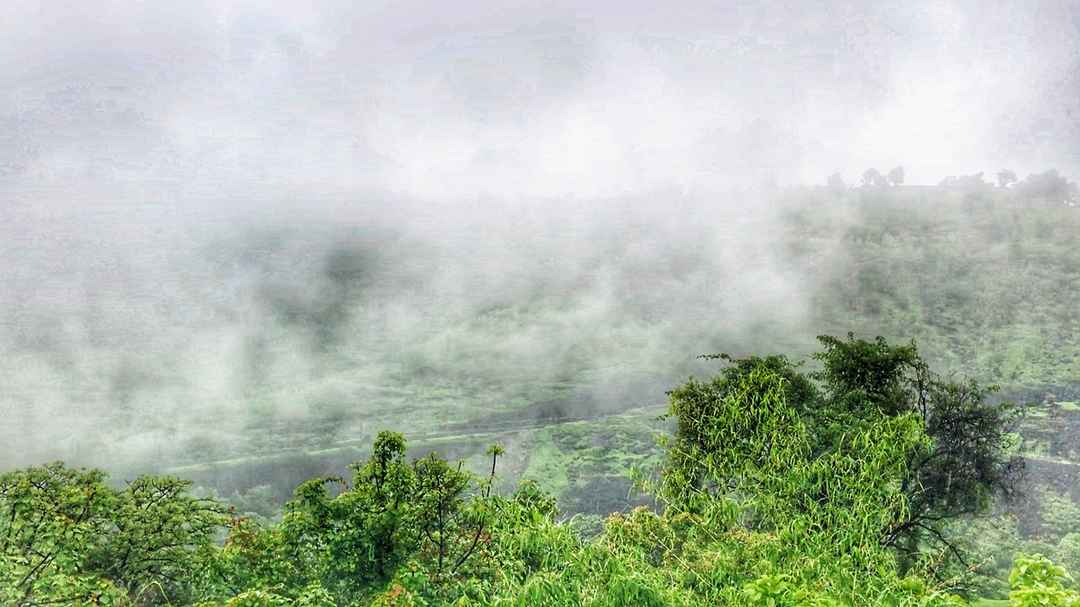
Key to understanding these destinations is recognizing what sets them apart. Unlike mainstream attractions that are often crowded and commercialized, hidden gems offer a sense of discovery and exclusivity. They might be small islands in the Pacific, remote villages in the Alps, or ancient ruins hidden in dense forests. The appeal lies in their ability to provide a raw, unfiltered experience that resonates with the soul. For many travelers, the joy of stumbling upon such places is akin to uncovering a secret treasure.
Key Features & Highlights
- Authentic Cultural Experiences: Hidden gems allow travelers to immerse themselves in local traditions, festivals, and daily life. Whether it is participating in a traditional tea ceremony in a Japanese village or learning the art of pottery in a Mexican pueblo, these experiences foster a deeper connection with the culture.
- Untouched Natural Beauty: From the turquoise lagoons of the Maldives’ lesser-known atolls to the rugged trails of the Scottish Highlands, these destinations boast landscapes that remain pristine and unspoiled by mass tourism.
- Exclusive Wildlife Encounters: Many hidden gems are home to rare and endangered species. Travelers can embark on guided safaris in remote national parks, whale watching in quiet coastal towns, or birdwatching in secluded forests.
- Peaceful Solitude: For those seeking respite from the hustle and bustle of city life, hidden gems provide the perfect retreat. Imagine waking up to the sound of waves crashing on a secluded beach or hiking through a valley where no other footprints can be seen.
- Historical and Architectural Wonders: Some hidden gems harbor ancient ruins, medieval castles, or unique architectural styles that are not found in guidebooks. Exploring these sites offers a glimpse into the past and a chance to marvel at human ingenuity.
Frequently Asked Questions / Pros & Cons
What defines a hidden gem travel destination?
Definition: A hidden gem travel destination is typically characterized by its low level of tourist traffic, despite offering exceptional natural beauty, cultural richness, or historical significance. These places are often not featured prominently in travel guides or advertisements, making them harder to discover but more rewarding to visit.
How do hidden gems differ from mainstream tourist destinations?
Differences: Mainstream destinations often have well-developed infrastructure, high visitor numbers, and commercialized attractions. In contrast, hidden gems prioritize authenticity, tranquility, and a slower pace of exploration. While popular spots may offer convenience, hidden gems provide a sense of discovery and exclusivity.
What are the pros of visiting hidden gems?
- Less Crowded: You can enjoy popular attractions without the stress of large crowds, allowing for a more immersive experience.
- Cultural Immersion: Interaction with locals is often more meaningful, as they are less accustomed to tourists and more eager to share their way of life.
- Sustainability: By choosing lesser-known destinations, you reduce the environmental and social impact on fragile ecosystems and communities.
- Unique Experiences: The opportunities for adventure, photography, and personal growth are often unparalleled in these off-the-beaten-path locations.
What are the cons of visiting hidden gems?
- Limited Accessibility: Some hidden gems require extensive travel, rough terrain, or specialized transportation, which can be challenging for certain travelers.
- Fewer Amenities: Infrastructure such as hotels, restaurants, and medical facilities may be limited, requiring travelers to plan more meticulously.
- Language Barriers: In remote areas, English or other widely spoken languages may not be understood, which can complicate communication.
- Uncertainty: Without detailed travel reviews or guides, there may be a higher level of unpredictability regarding weather, local customs, or safety.
Practical Guidance & Solutions
Visiting hidden gems requires thoughtful planning and preparation to ensure a smooth and enjoyable experience. Here are some actionable tips to help you make the most of your journey:
Research Thoroughly
Start by gathering as much information as possible about your chosen destination. Look for travel blogs, local forums, and social media groups where travelers share their experiences. Pay attention to details such as the best time to visit, local customs, and any necessary permits or vaccinations.
Plan Your Itinerary Carefully
Hidden gems often require more logistical planning than mainstream destinations. Consider factors such as transportation, accommodation, and dining options. If you are traveling to a remote location, book your accommodations in advance and arrange reliable transportation. For areas with limited services, prepare a backup plan in case of unexpected closures or delays.
Pack Wisely
Packing for a hidden gem adventure often means preparing for the unexpected. Bring essential items such as a first-aid kit, weather-appropriate clothing, and any necessary gear for outdoor activities. A portable charger, power bank, and offline maps can also be invaluable in areas with limited connectivity.
Respect Local Customs
Cultural sensitivity is key when visiting any destination, but it is especially important in hidden gems where traditions may be deeply ingrained. Take the time to learn basic phrases in the local language, dress modestly if required, and always ask for permission before taking photographs of people or sacred sites.
Support Local Communities
One of the most rewarding aspects of visiting hidden gems is the opportunity to support local economies. Stay in locally owned guesthouses, eat at family-run restaurants, and purchase handmade souvenirs directly from artisans. Your contributions help sustain the community and preserve the destination’s authenticity.
Travel Responsibly
Practice sustainable tourism by minimizing your environmental impact. Avoid littering, conserve water and energy, and follow marked trails to protect fragile ecosystems. If you are visiting a coastal area, be mindful of coral reefs and marine life. Leave no trace behind to ensure these hidden gems remain pristine for future generations.
Conclusion
Hidden gems are more than just uncharted travel destinations. They are windows into the world’s untouched beauty, cultural richness, and serene solitude. By choosing to explore these lesser-known treasures, you embark on a journey that goes beyond mere sightseeing. It becomes a voyage of discovery, connection, and personal growth.
While the path to these destinations may require extra effort, the rewards are immeasurable. Whether it is the awe-inspiring silence of a mountain peak, the warm hospitality of a remote village, or the thrill of encountering wildlife in its natural habitat, hidden gems have a way of leaving an indelible mark on your heart. So the next time you plan a trip, consider stepping off the well-trodden path. Your perfect adventure might be waiting just around the corner, in a place few have ever heard of but everyone will remember.
About the Author